
Insulation Before & After in San Antonio, TX
Most insulation work happens where nobody ever looks. That’s why we photograph every job before we start and after we finish. You’ll see what we saw: matted batts, bare spots, old cellulose settled to nothing. Then you’ll see what you get: full coverage, proper R-value, and an attic that actually holds its temperature. Here are real transformations from houses across San Antonio.
Recent Transformations
Blown-In Fiberglass Attic Top-Up in Alamo Heights
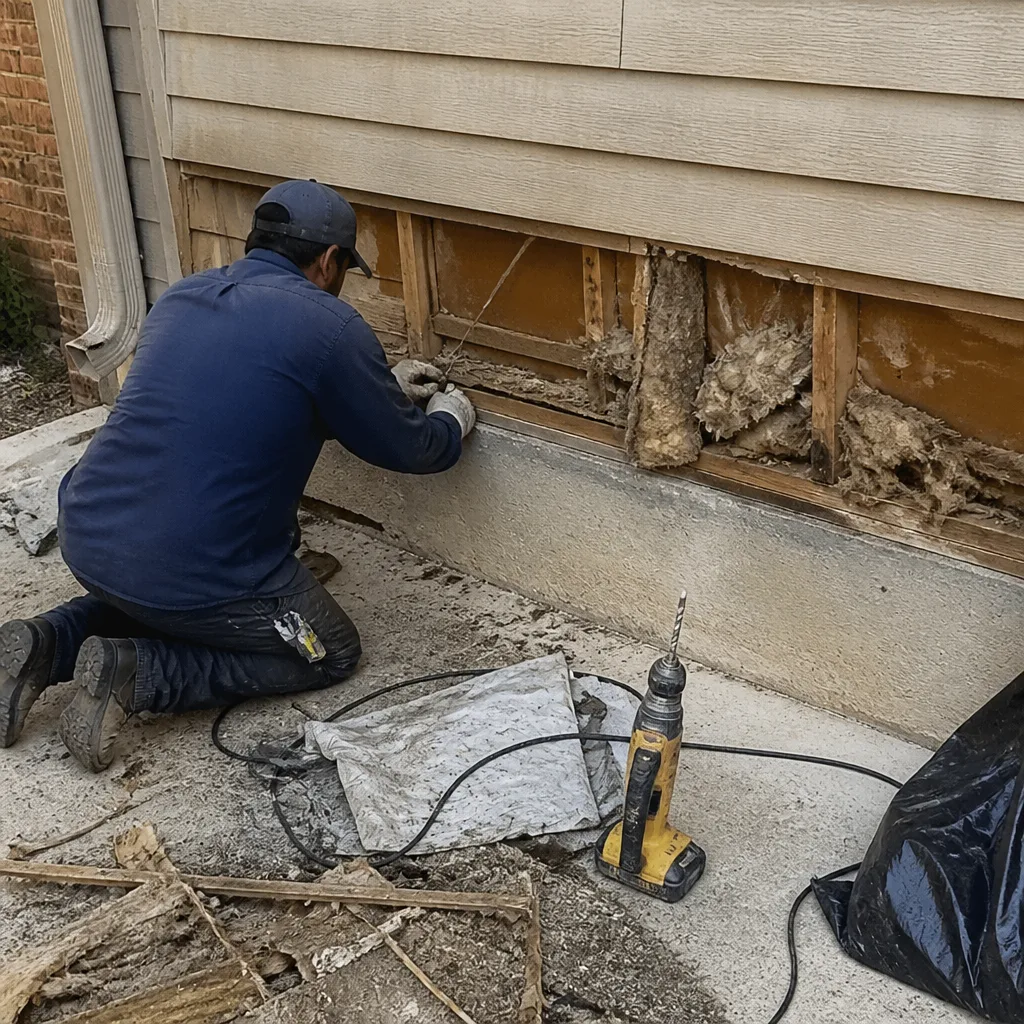 Before
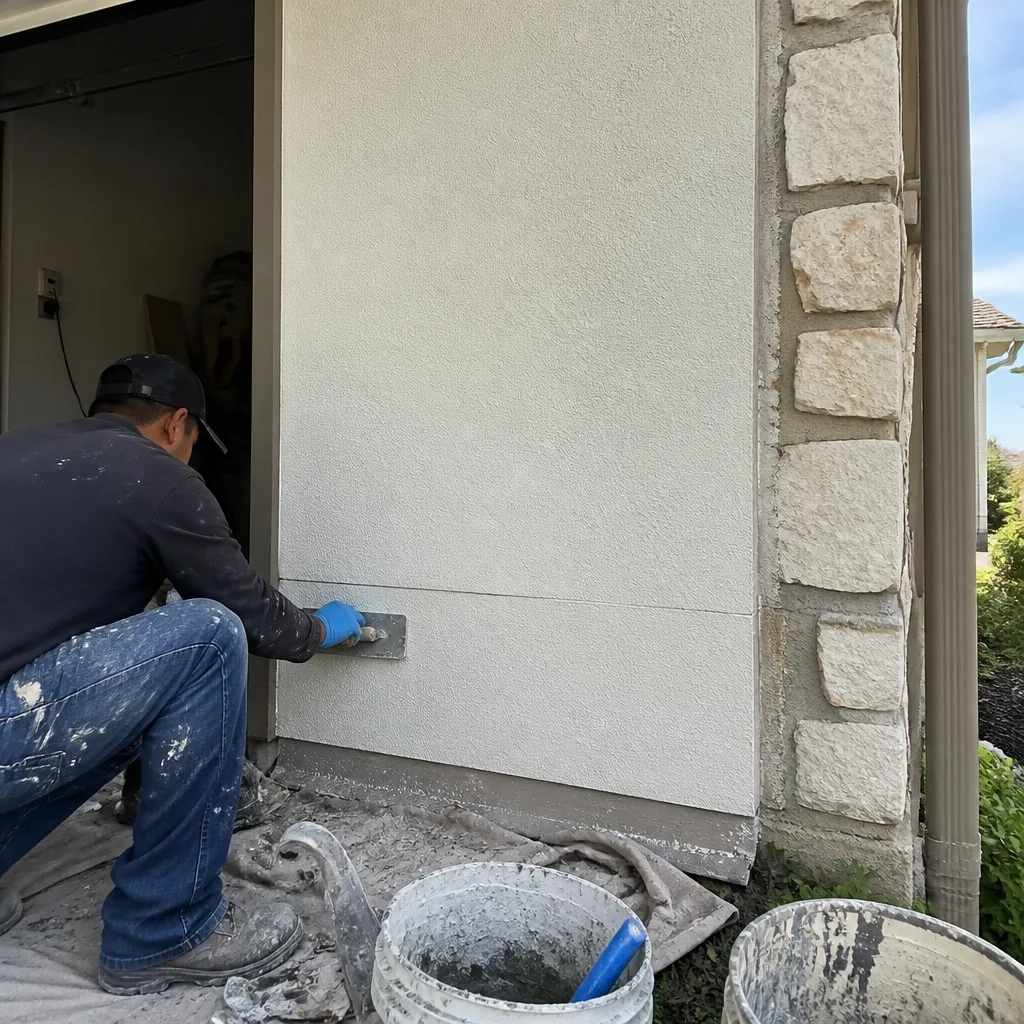 After
AfterThe homeowners had original 1990s batts that had compressed to about four inches in a 1,900-square-foot ranch. Upstairs felt eight degrees warmer than downstairs every August afternoon. We air-sealed the top plates and blew Owens Corning AttiCat fiberglass to a uniform R-38 across the entire attic floor. The upstairs thermostat stopped fighting the heat by the following weekend.
Spray Foam Roof Deck in a Stone Oak Two-Story
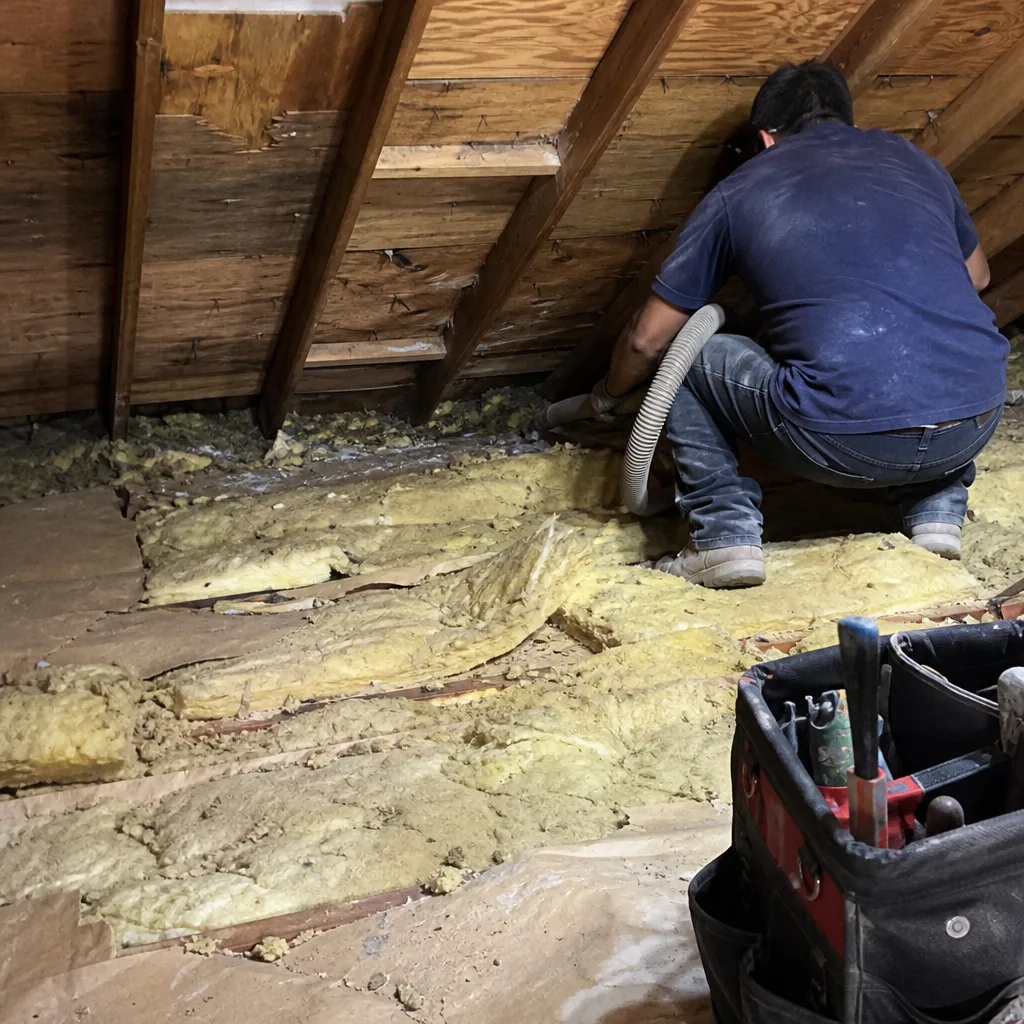 Before
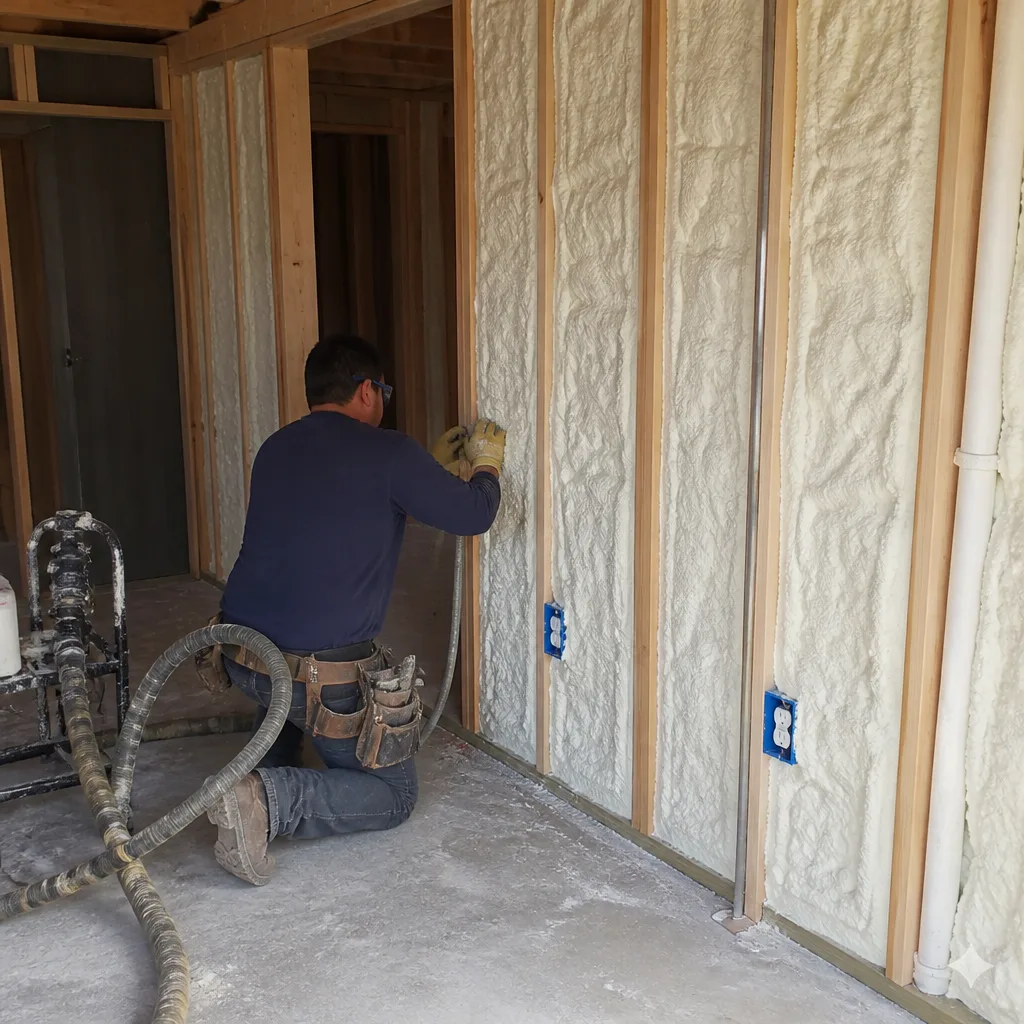 After
AfterSecond-floor bedrooms in this Stone Oak home ran five to six degrees hotter than the rest of the house because the roof deck had almost no insulation and the HVAC ducts ran through an unconditioned attic. We sprayed Icynene open-cell foam directly on the underside of the roof deck, bringing the attic inside the conditioned envelope. Duct temperatures stabilized and the upstairs finally matched the downstairs set point.
Insulation Removal After Roof Leak in Terrell Hills
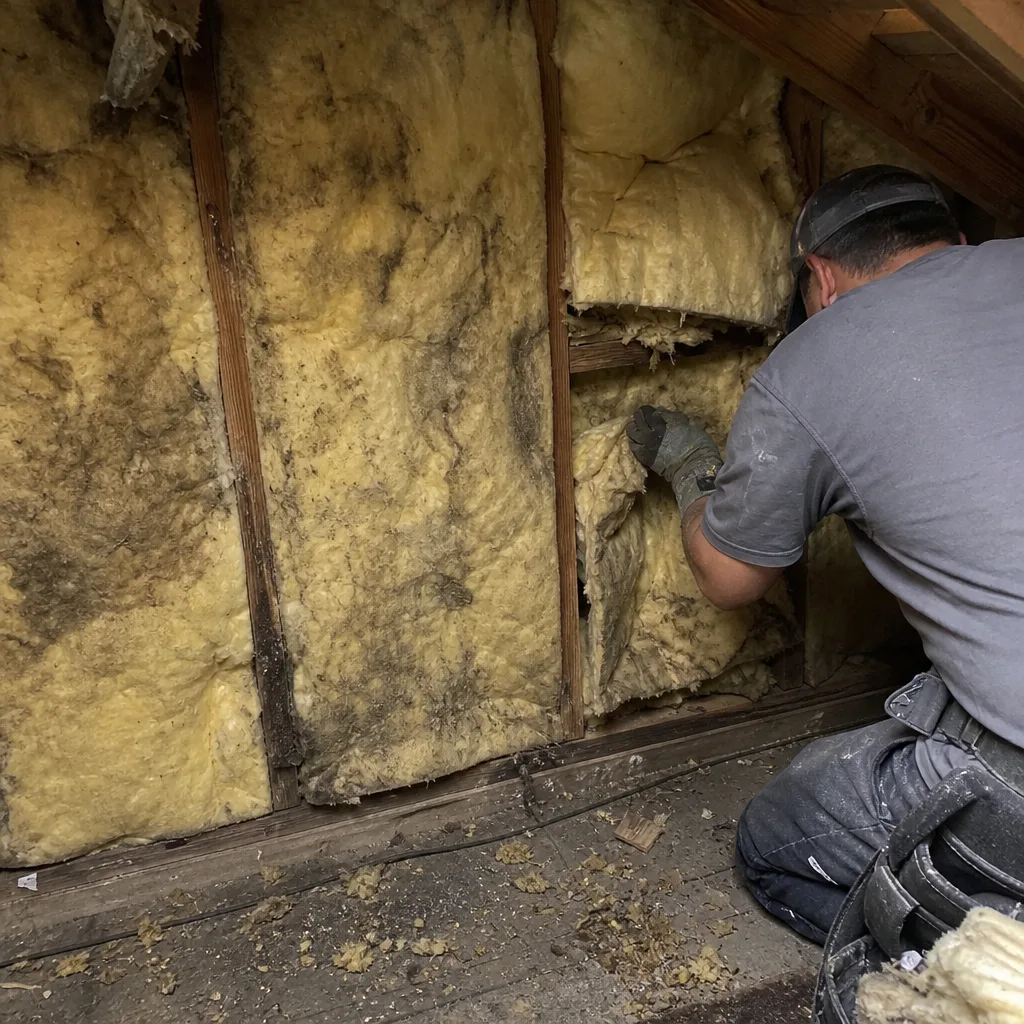 Before
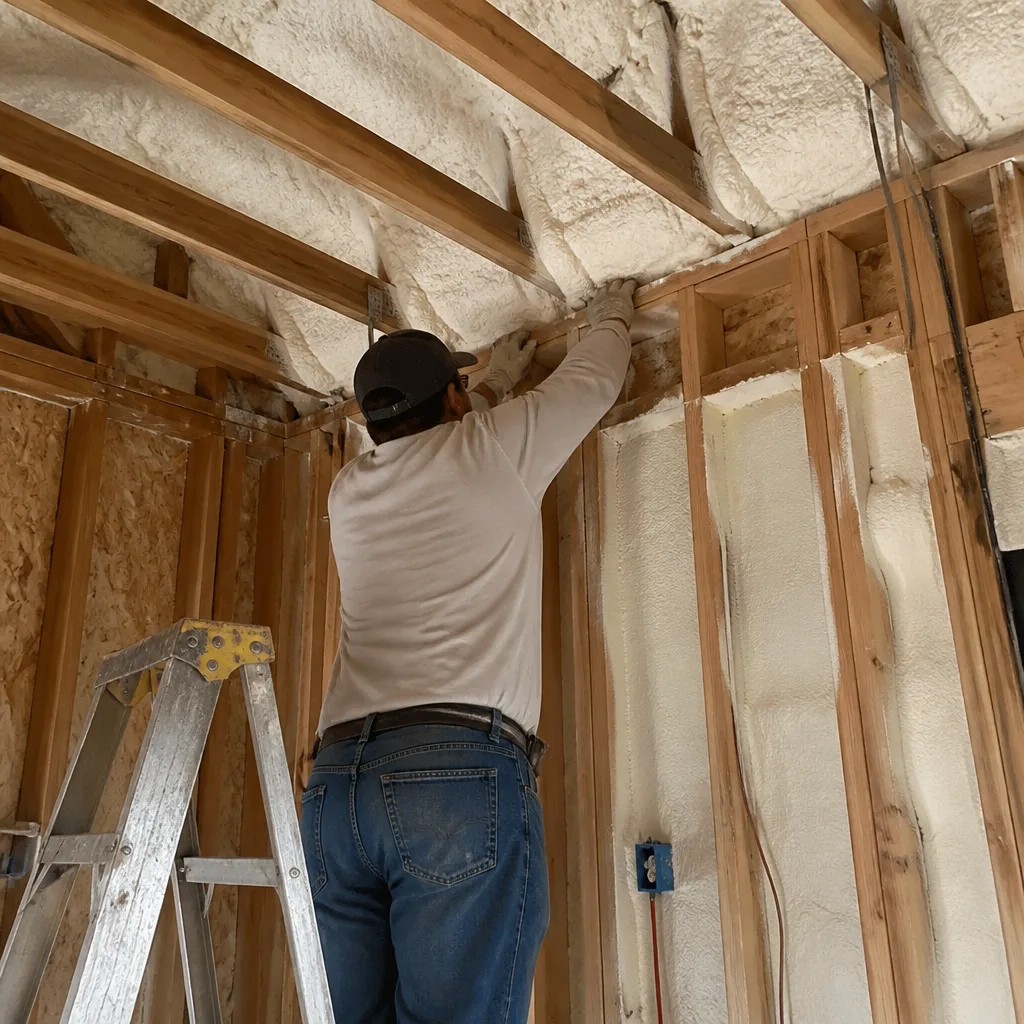 After
AfterA roof leak had soaked the cellulose in one corner of a Terrell Hills attic, and the damp material was starting to smell and lose its R-value. We vacuumed out the damaged insulation, sanitized the affected decking, and reinsulated with Rockwool blown-in fiber. The homeowner got a clean attic, no lingering odor, and a full R-38 in the repaired section.
Batt Replacement in a Castle Hills Mid-Century
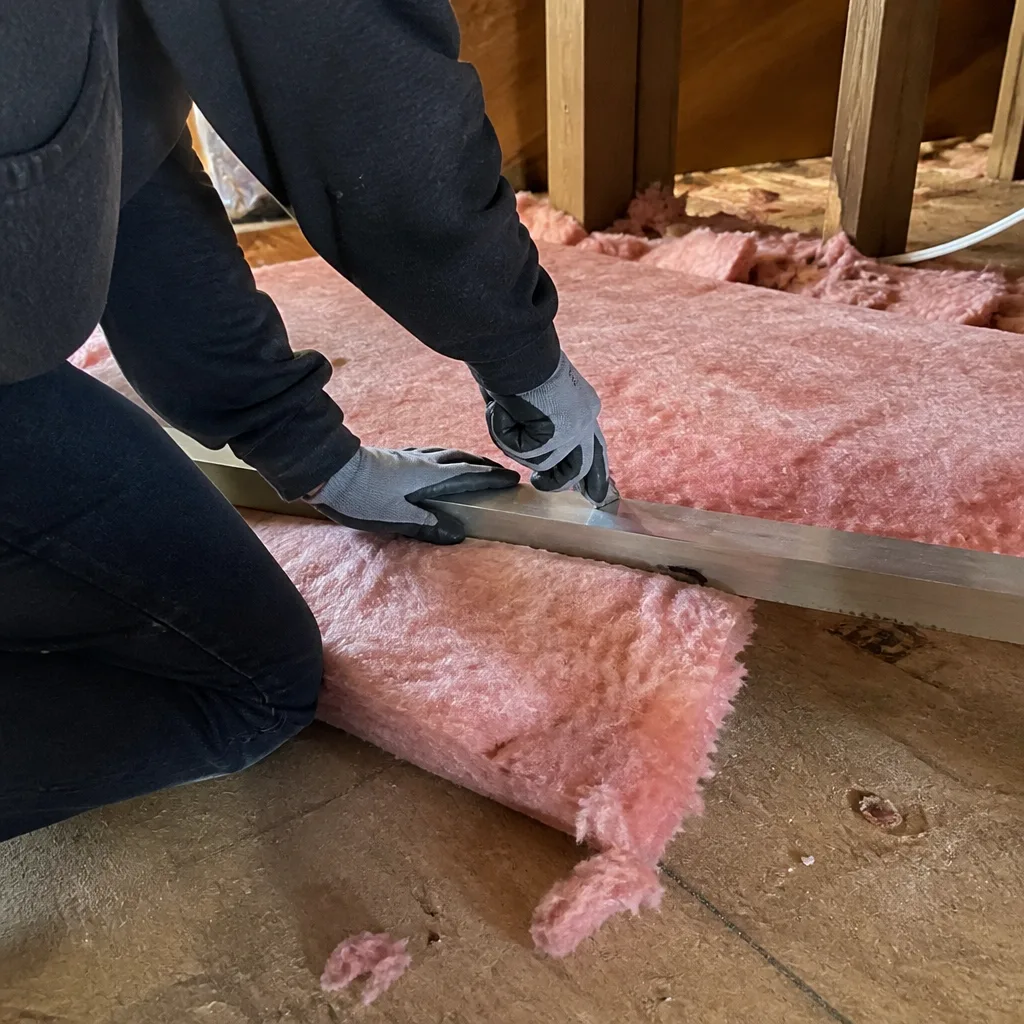
The attic in this 1961 Castle Hills home had original fiberglass batts that were torn, shifting, and missing in patches where old wiring had been pulled through. We removed the deteriorated material and layed fresh Knauf faced batts to R-30, cutting around junction boxes and bracing so nothing was compressed. The living room stopped losing heat into the attic on cold February nights.
Garage Bonus Room Encapsulation in Helotes
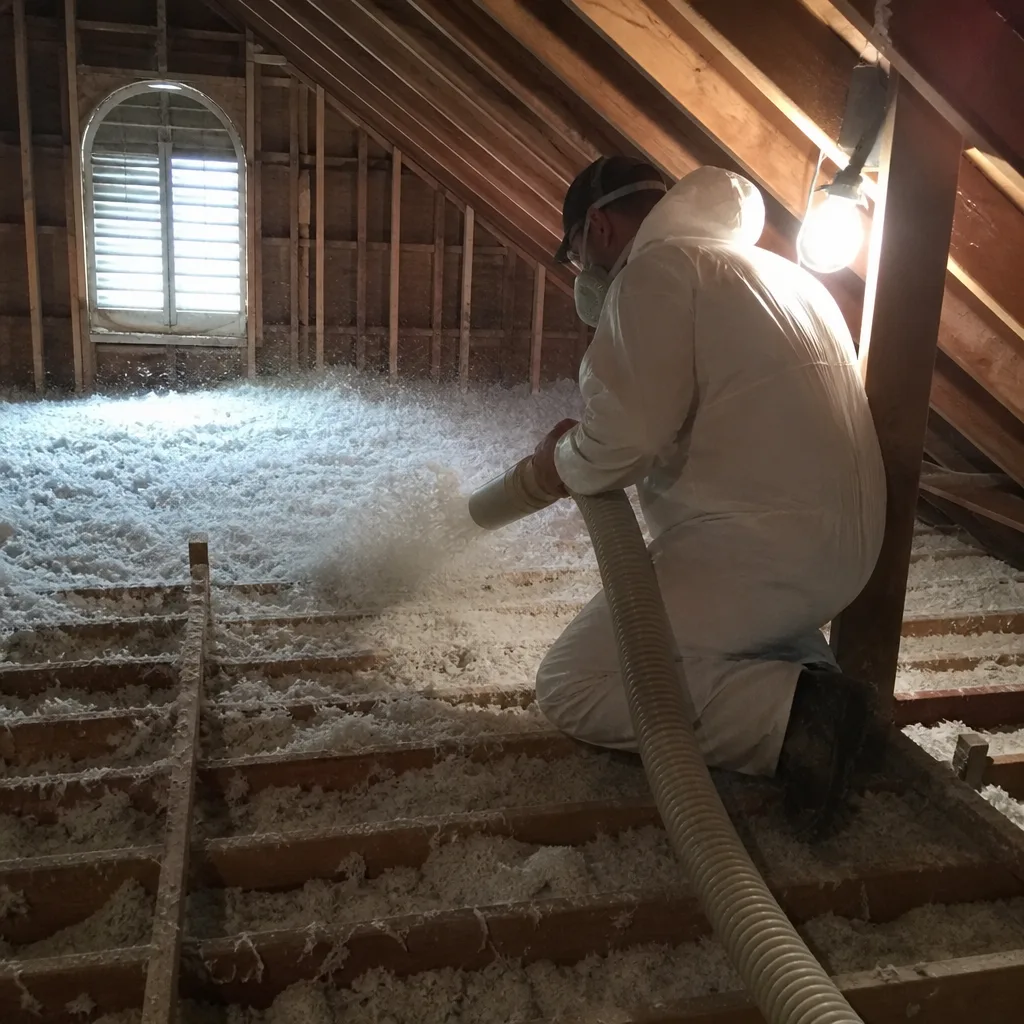
A finished garage bonus room in Helotes had drywall but no insulation in the exterior walls, so the room was unusable from May through September. We used Demilec closed-cell spray foam on the wall cavities, which also reduced road noise from the nearby highway. The room now holds temperature within three degrees of the main house and the owners use it as a home office year-round.
Cellulose Over Old Batts in a King William Historic Home
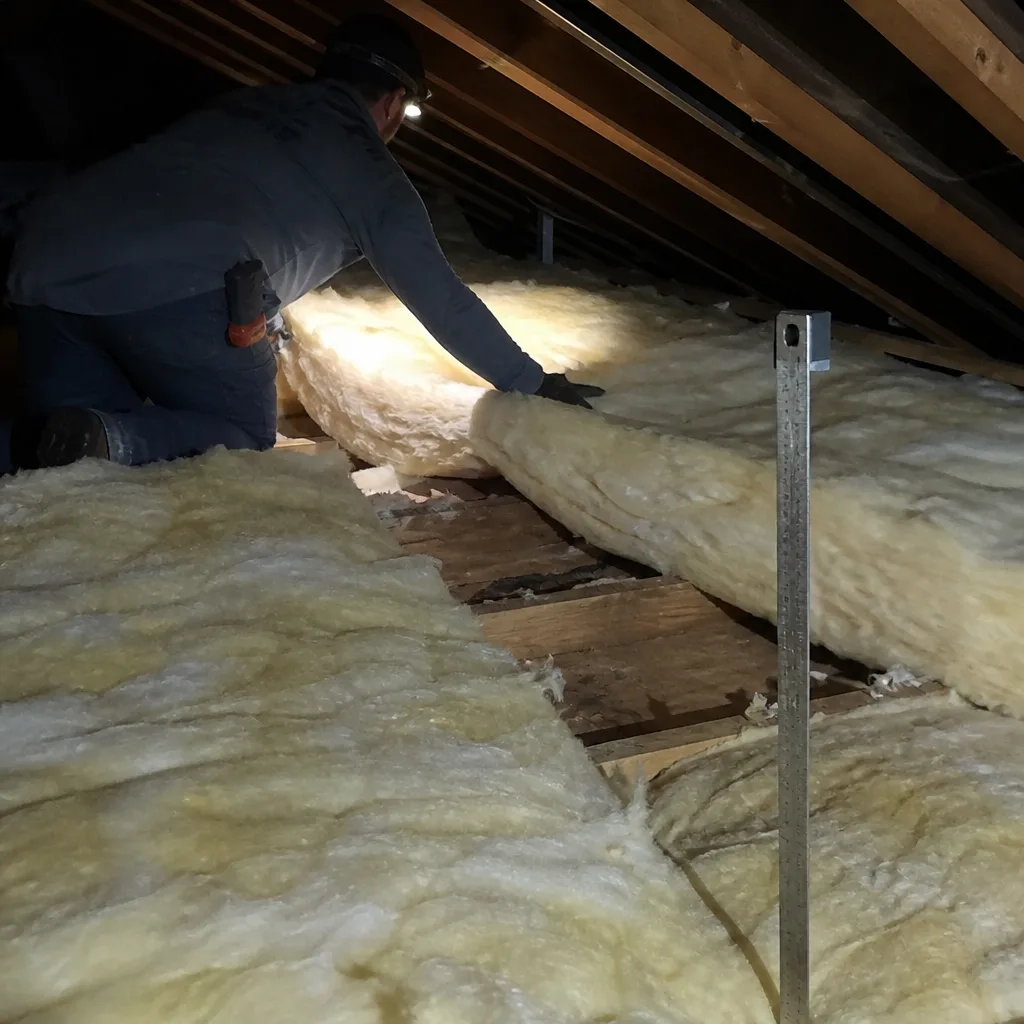
This King William historic home had three different eras of insulation layered unevenly, with some bays empty and others overflowing. We leveled and topped everything with GreenFiber cellulose blown to a consistent R-38, which also helped with sound transfer between floors. The owner reported the central air cycling noticeably less during the first hot stretch that followed.
Want Results Like These?
Every one of these jobs started with a phone call and a written price before any work began. We’ll assess your attic, show you exactly what’s there now, and tell you what it’ll take to fix it. Call Laurel Attic Insulation San Antonio at (254) 279-0971. Estimates are free, and the 365-Day Done Right Promise means the work is guaranteed in writing.
Written by Chase Whitaker, Owner at Laurel Attic Insulation San Antonio, serving San Antonio homes since 2003.